You are currently browsing the tag archive for the ‘Writers SA’ tag.
So I’ve not long returned from my week at Varuna, the National Writers’ House in the Blue Mountains, and what a magical week it’s been.

Picture this – chatting with fellow writers in front of a log fire surrounded by books knowing you have the whole week ahead of you to focus on your writing. Needless to say, I didn’t sleep much the first night because of a childlike excitement before a Christmas day morning! I was in the Green Room, one of two rooms in the house (there were six rooms all up) that had its writing space separate from the bedroom.
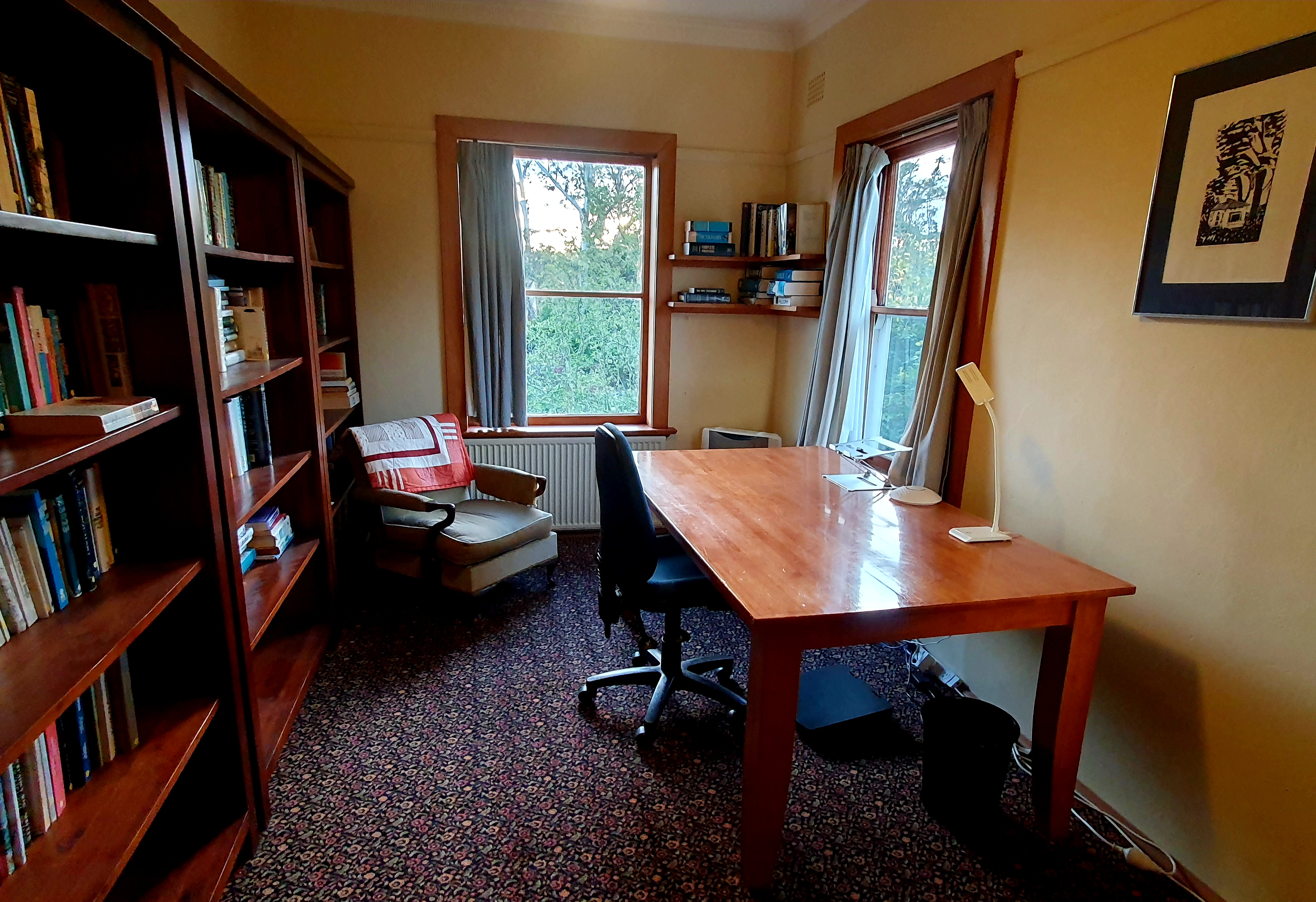
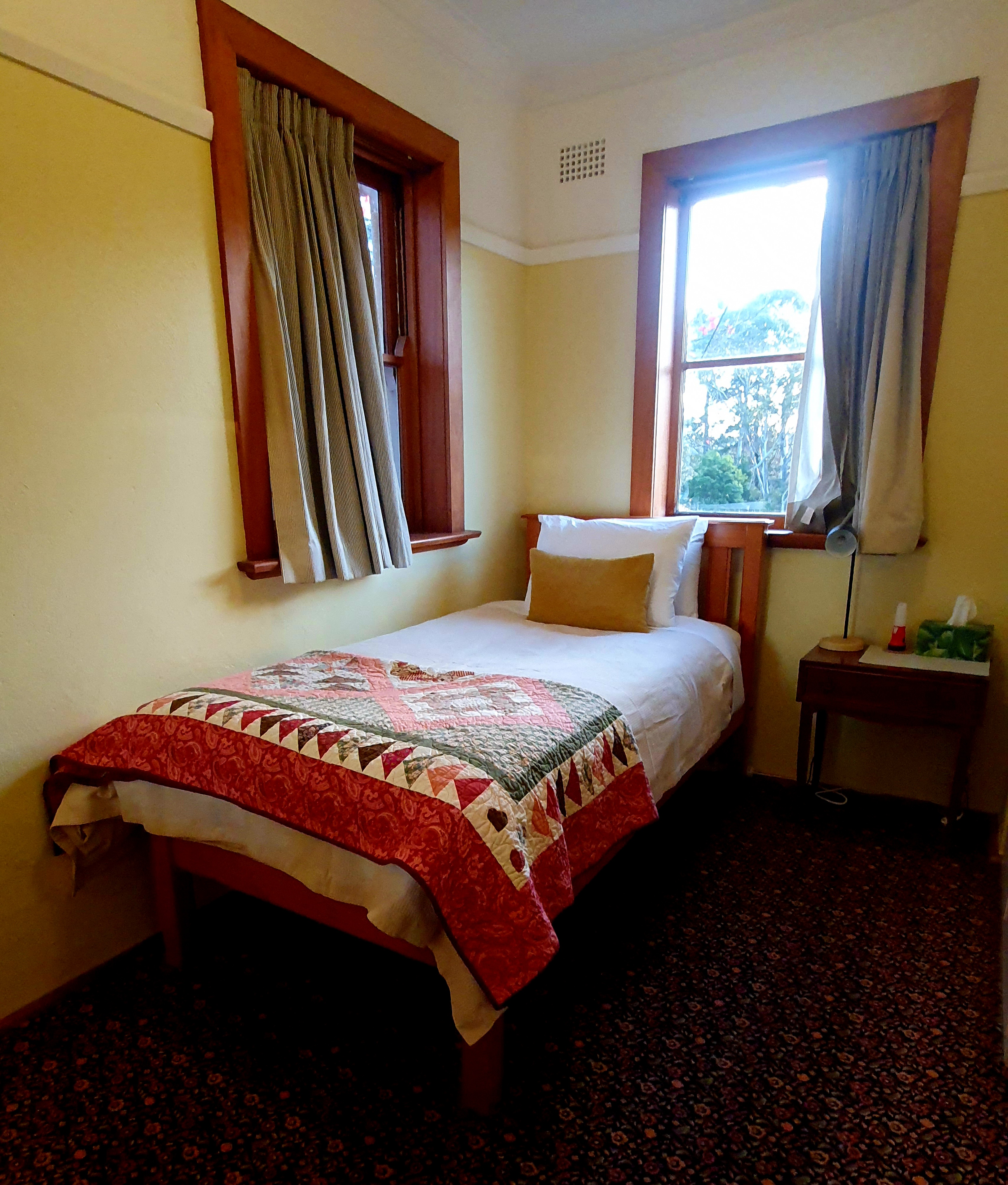
There were five other writers staying spanning all genres and it was incredibly interesting to hear what they were working on, about their process and what they hope to achieve after seven days there. My main focus was to review and edit poems, generate new ones and work out the structure my next collection will take. Reading, research and listening to podcasts was also on the to do list.
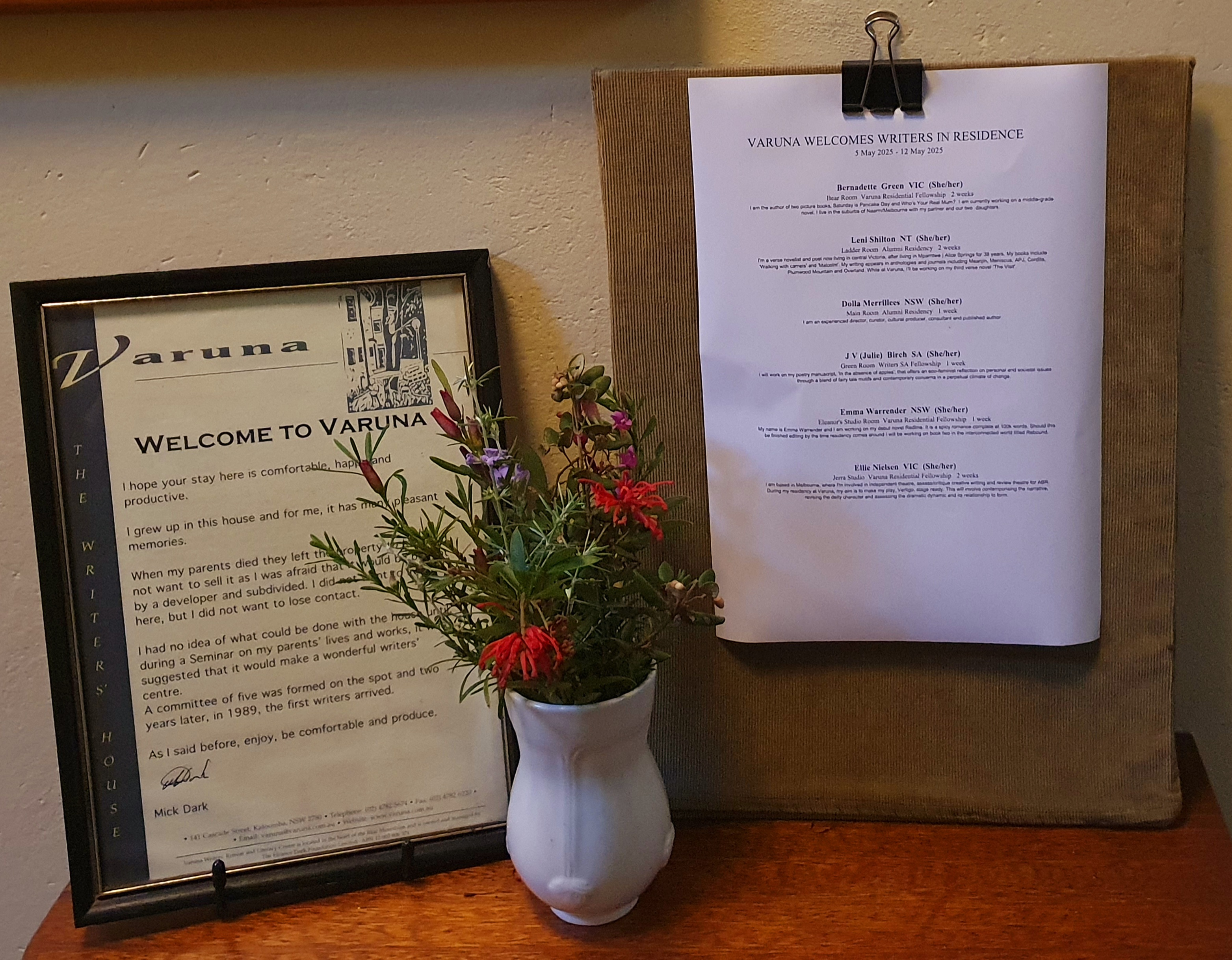

And so my days consisted of early starts, lazy breakfasts while working, morning walks, further work, light lunches, more work, afternoon walks, more work, then joining the group in the cozy lounge for pre-dinner drinks and delicious home-cooked evening meals.

Having arrived on a Monday, I didn’t write anything good (in my opinion) until the Friday, which intrigues me as I clearly needed that time to settle in and soak up the amazing creativity of the place. I could have easily done another week there, but I now have some sense of a structure, albeit one that’s continually morphing because what started out as one concept, has branched off into several others, so I’m letting it meander where it wants to go.
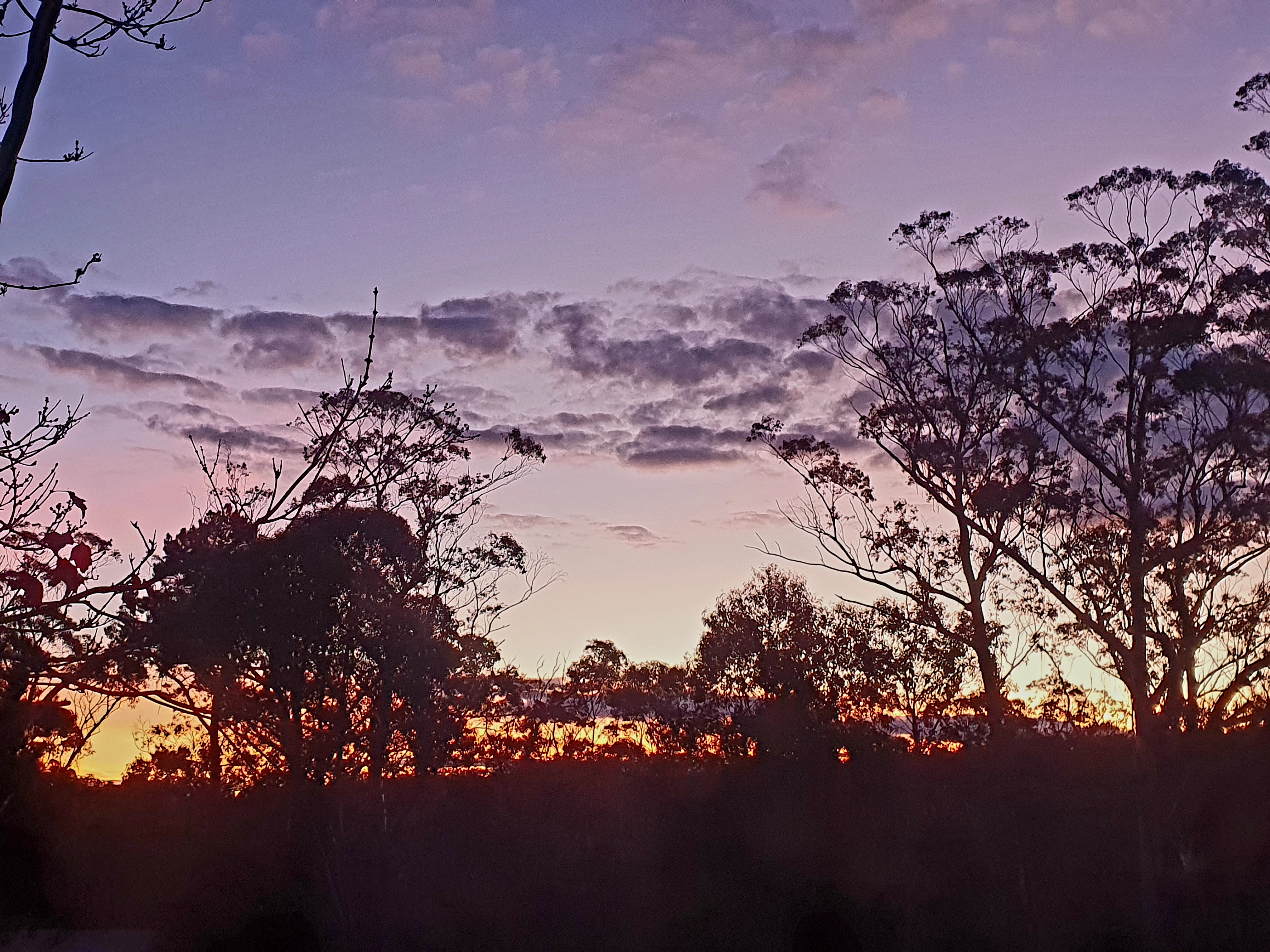

Being immersed in my writing, and in such stunning scenery too, gave me an amazing experience to remember, one I plan on repeating that’s for sure (because creativity, like nature, cannot be rushed!), with thanks again to Writers SA and Varuna for supporting me and for giving me this remarkable opportunity.
Although I’ll never get used to a hot Christmas, I do prefer January here than in the UK, but regardless of where I am it’s still a good time to review what’s important and declutter.

One of the first things I did was unsubscribe to a myriad of poetry/books/writing newsletters. I figure if I want something, I’ll look for it, rather than trawling through emails to the point where I just hit delete. I also want to explore my creative side more, hence my plain writer’s diary that I decorated with stickers above (loved doing this!) and learning to play the piano, something I’ve always wanted to do. I’ve also started burlesque classes for something a little different as I do like to dance.

But back to writing. So my year kicked off attending Clare Shaw’s and Kim Moore’s January Writing Hours where over the course of an hour via Zoom, we look at different poems and are given prompts to get us writing. I signed up for a week and it’s a fine way to generate words, until I realised my problem is not not being able to write but not having the time and/or head space to write, which is where some fabulous news comes in…
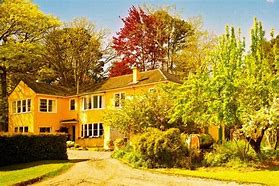
I’ve won a fellowship to develop my next collection! Through Writers SA, the week-long residency is at Varuna National Writers’ House in the Blue Mountains, a place completely dedicated to writers, their writing and everything in between to support them. I’ve booked to go in May and plan to take some time either side to get organised and come back down to earth, as I know my head will be buzzing when I return.

I’ve also signed up to do another online course through the Poetry School – Darkness into Light: Poetry for the Waxing Year with Jessica Traynor – to draft further poems for my new collection that’s slowly taking shape. Targeting where I submit my work is another approach I’m taking, speaking of which I’ve got two submissions due in the next couple of days, so best get on with these and finish this post!
August is poetry month here in Australia, a national celebration launched by Red Room Poetry to increase access to and awareness of our poetic landscape, and mine’s been filled with readings, applications and a writing retreat.


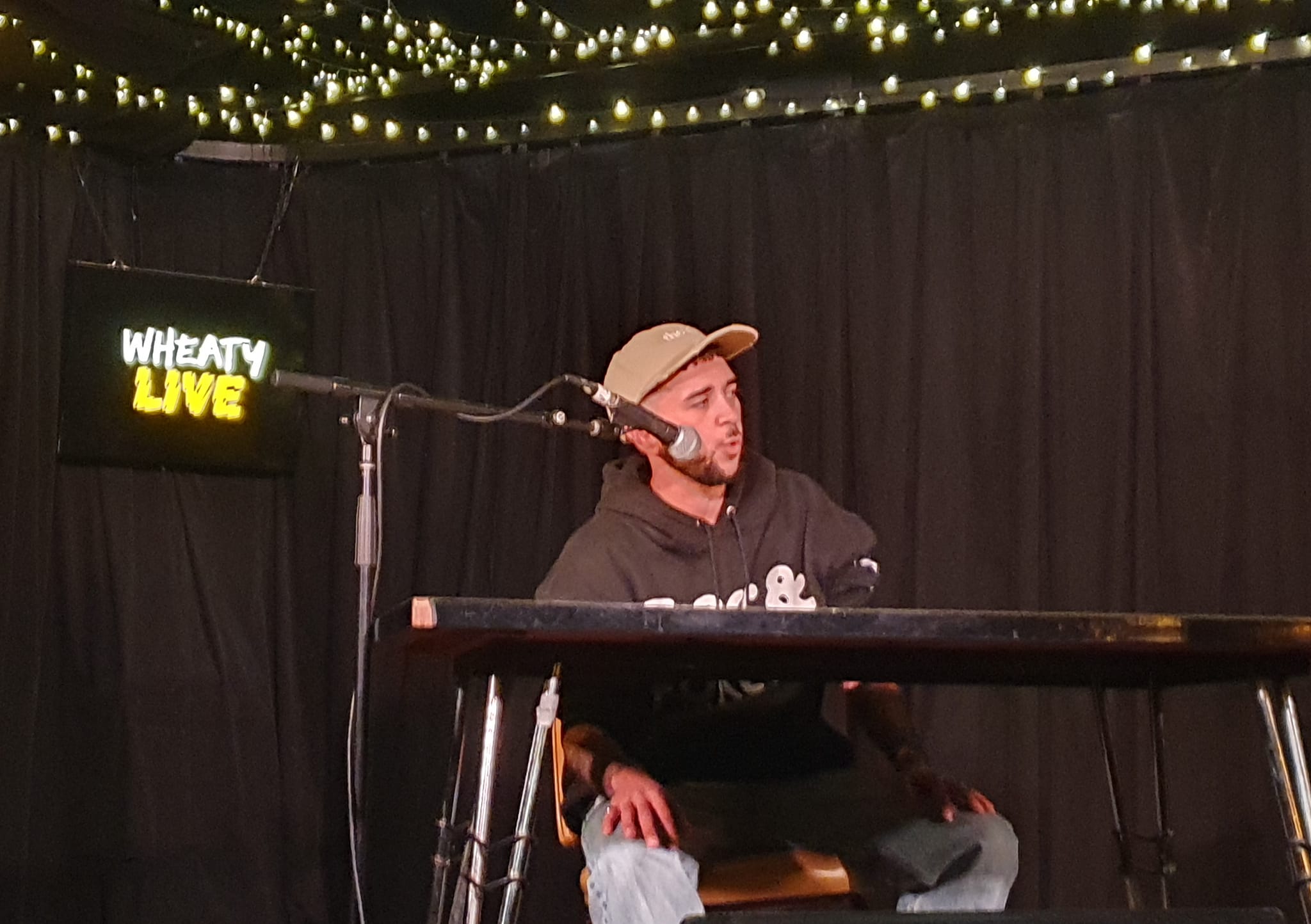
First up was the SA Poetry Month Showcase at the Wheaty, with readings by Jelena Dinic, Arantza Garcia, Tikari Rigney, Wallis Prophet and Dominic Guerrera. Hosted by Gemma Parker, it was a popular event. I liken Jelena’s work to a beautiful haunting and it was wonderful to hear from performance poets Arantza, Tikari and Wallis, with equally profound words from Dominic, who also hosted the open mic that followed.

Next was my turn to read in the bi-monthly Ern Malley series held at Australia’s oldest literary bar. These readings, courtesy of Stan Mahoney, take inspiration from Ken Bolton’s Lee Marvin ones (where I was also fortunate to read), by offering the same intimate experience equipped with desk and lamp. I shared work from my chapbook ice cream ‘n’ tar, as well as some new poems from the collection I’m working on at the moment.


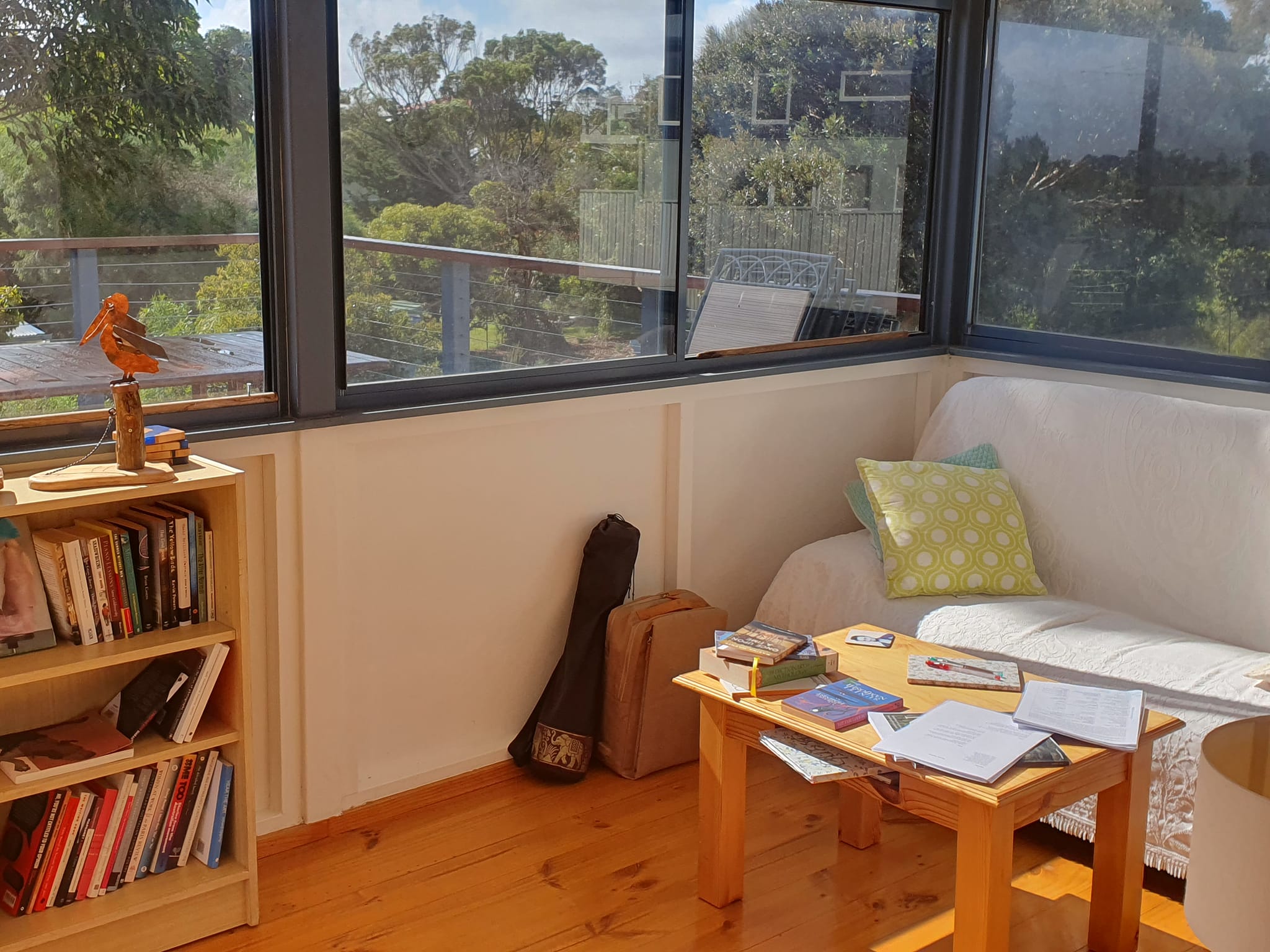
Then I went on my first ever writing retreat at Island View Writers House! Run by the brilliant Heather Taylor-Johnson, this gorgeous place in Clayton Bay provides writers with the time and space to develop their writing, either through a focused or self-led residency. I chose the latter to further my collection and was absolutely amazed by what I managed to achieve over a long weekend there.


Having that thoroughly enjoyable immersive experience prompted me to apply for the annual fellowships with Varuna and Writers SA. Between them they offer a variety of opportunities to progress projects, and the application process helped me to focus the scope of my collection and identify what I want to achieve with its content, form and voice. So I have everything crossed one of them comes through!
I managed to get to a few sessions at this year’s Writers’ Week in between work and the heat to hear Charlotte Wood, Madison Godfrey, Pip Williams and a stellar poetry line-up.

I’ve read a few of Charlotte’s books and heard good things about her latest, Stone Yard Devotional, that she describes as one of her deepest and most personal ones she’s written to date. Diagnosed with breast cancer in 2022, along with two of her sisters in a bizarre twist of fate, Charlotte explores the psychological collapse of the protagonist that was somewhat synonymous with her own and without giving too much away, introduced the mouse plague after hearing about a friend who heard their piano playing one night during an infestation. Charlotte stressed the importance of readers to writers like her and explained how she learnt to write by looking at other writers.
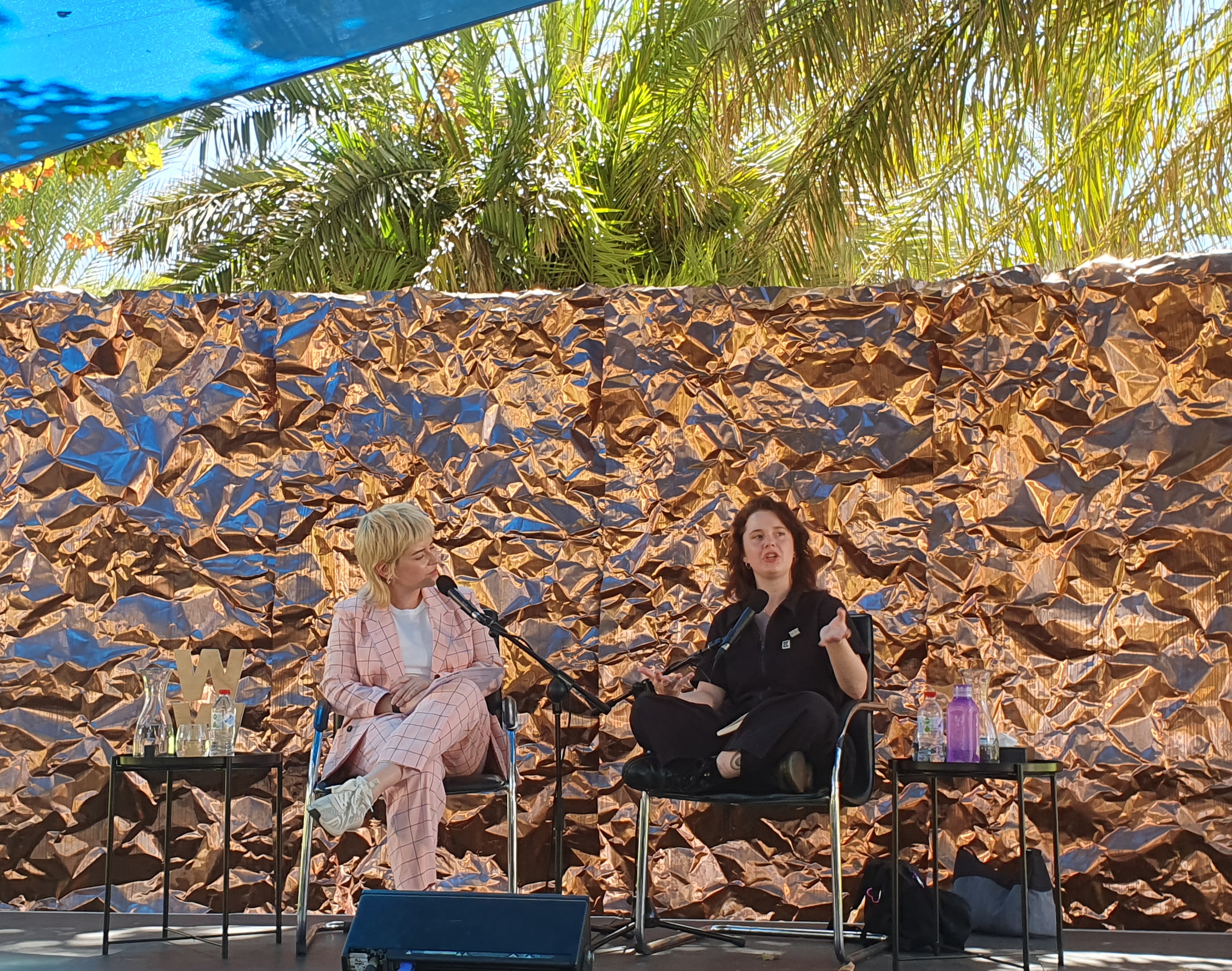
I brought Madison’s latest collection, Dress Rehearsals, from the book tent before I went along to hear her speak about it as I recalled reading some of her poems in an issue of Jacaranda Journal and loving their vividness. This stunning collection is split into three parts that explore love, desire and gender, with Madison explaining how her poetry was born in the mosh pit, the merch girl a prominent figure throughout, and how she grew into queerness through a constant negotiation of self. Madison teaches at Curtain University in Perth and likes to disrupt classical poetry for her students, always having a poem of her own on the stove in the back of her head.

After falling in love with her first book, The Dictionary of Lost Words, I felt compelled to hear Pip talk about her second, The Bookbinder of Jericho, and was not disappointed. These companion books explore the women’s perspective of the publishing industry when it was dominated by men, with the second evolving while she researched the first after seeing a 20-minute film of which ten seconds showed a woman gathering papers that made Pip imagine her boss saying, ‘your job is to bind the books, not read them.’ Pip spoke of books being artefacts, but that she’d never considered how they’re made and actually learnt this skill at the State Library to bind seven of her own.

A Revolution in Poetic Language was the final session I went to, a panel discussion with amazing poets Evelyn Araluen, Madison (again), Ellen Van Neerven and Jill Jones, facilitated by Jessica Alice, former head of Writers SA. Challenging the role that words can play in a climate of change and conflict, each poet shared a reading, some new work, others from existing, but all with a sense of place, belonging and the continuous struggle to.

I also managed to squeeze in a workshop, Writing Place in Poetry, with another fantastic poet Sara M Saleh that explored where we come from, losing, finding, beginning again, combined with some great prompts and time to free-write that I really must do more of because it produces some interesting results. Unfortunately, Sara’s collection, The Flirtation of Girls, was sold out at the book tent so naturally I consoled myself with others.
August is Australia’s poetry month, deemed so by Red Room Poetry, a leader in commissioning, creating, promoting and publishing poetry in meaningful ways. And it was busy.

Launched in 2021, Poetry Month aims to increase access, awareness and visibility of poetry, with Red Room Poetry hosting a variety of events, such as readings and workshops, and providing prompts to generate those all-important words. There’s also a poetry showcase in each state and one of the many wonderful aspects of this initiative is the ‘pay what you can’ ethos.
The first event I signed up for was an online book club, with Andy Jackson, Ellen van Neerven and James Jinag, facilitated by the effervescent Felicity Plunkett. Each shared passages and reflections on a favourite book of their choice with some wide-ranging and collaborative selections. Andy’s and Ellen’s fantastic work I’m familiar with, Human Looking and Throat being their latest collections respectively, but James I wasn’t, so it was great to hear his thoughts on the texts shared and learn about him.

Next up was an online workshop with Andy Jackson through Writers SA called Un-alone Poetry, where we delved into self-portrait poems with Andy sharing some from his latest collection that brings together the voice of the disabled. I’ve participated in Andy’s courses before and this was of the same brilliant ilk, perfectly balancing time to read and reflect with the opportunity to write and share. We even indulged in some collaborative poetry by being paired and swapping lines via the chat function in Zoom, that delivered some surprising results.
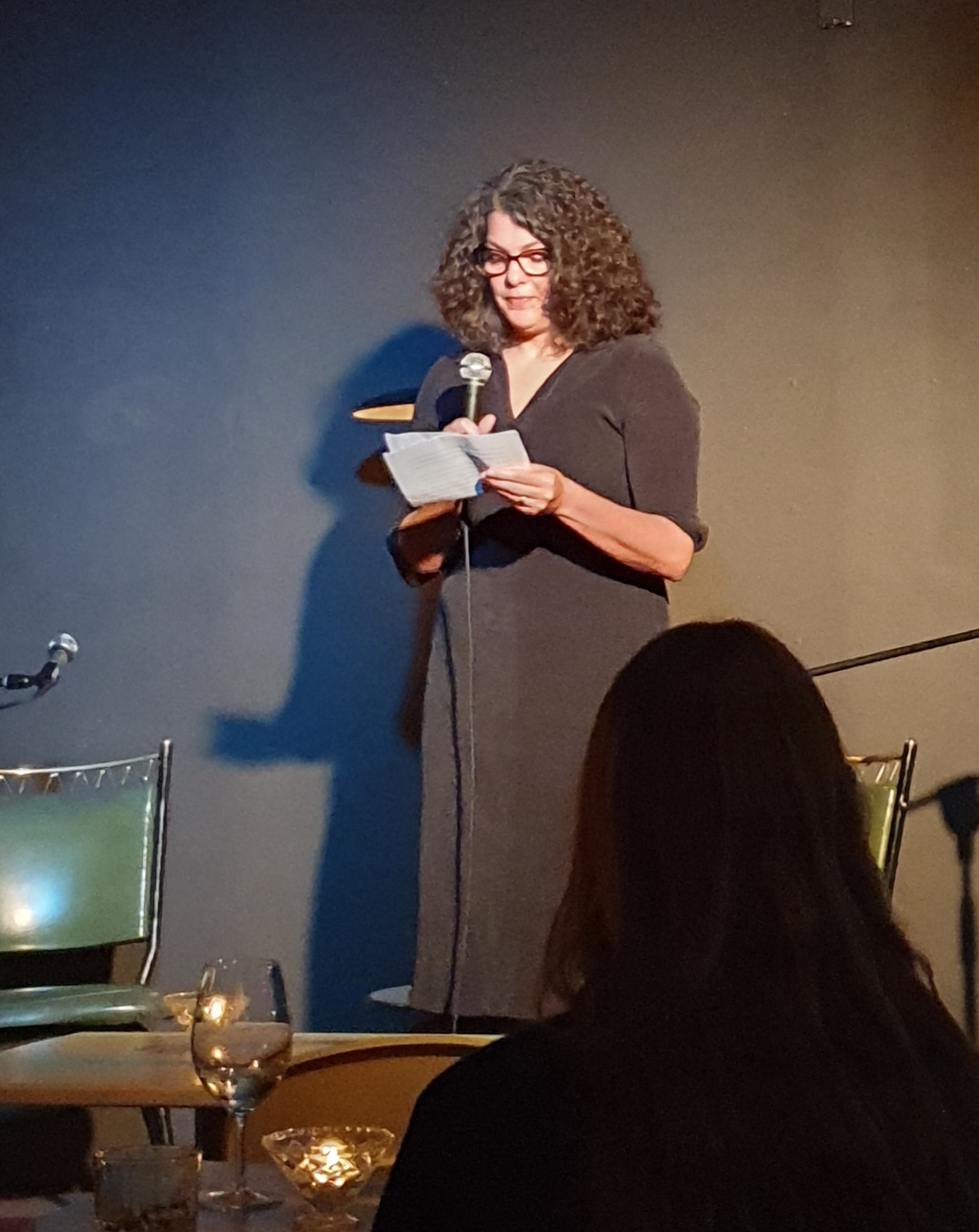


The Dog-Eared Readings are brainchild of two beloved poets, Heather Taylor-Johnson and Rachael Mead, with the inaugural one taking place mid-week at The Howling Owl. Backed by a grant from Arts SA and with free drinks very kindly provided by Red Room Poetry, these readings aim to fill the gap left by Ken Bolton’s Lee Marvin series and offer the same imitable blend of poetry and prose. First up was Stephen Orr reading from his novel Sincerely, Ethel Malley, followed by the krumping (a new performance style I discovered!) Matcho Intrumz Cassidy and finished with Dominic Guerrera in conversation with Natalie Harkin who shared poems from her latest collection Archival-Poetics, a gift of poems (literally) that reckon with the State’s colonial archive.

Another online workshop, The Speculative Poet, with Sally Wen Mao completed the month for me, in which we explored blurring the boundaries between fact and magic, research and conjecture, with poetry the perfect form with which to do so. Sally shared slides and some insights from the infamous Toni Morrison on speculation, as well as a few of her own poems, with ‘Nucleation‘ a particular standout for me. Sally’s award-winning collection, Oculus and forthcoming, The Kingdom of Surfaces, both from Graywolf Press, are the latest additions to my ever-growing wish list.
What I love about projects and events like these, apart from showcasing the fine work that’s out there, is their ability to inspire and connect, and for me generated several ideas for the next full-length collection I’m working on, as well as introducing me to new poets and forms. So next year, I must remember to clear my calendar for August again, give the poetry room to breathe.
Port Adelaide hosted its inaugural writers’ festival this weekend themed ‘Living Landscapes‘ in the historic Hart Mill Precinct, with an impressive line up and books courtesy of Matilda Bookshop.
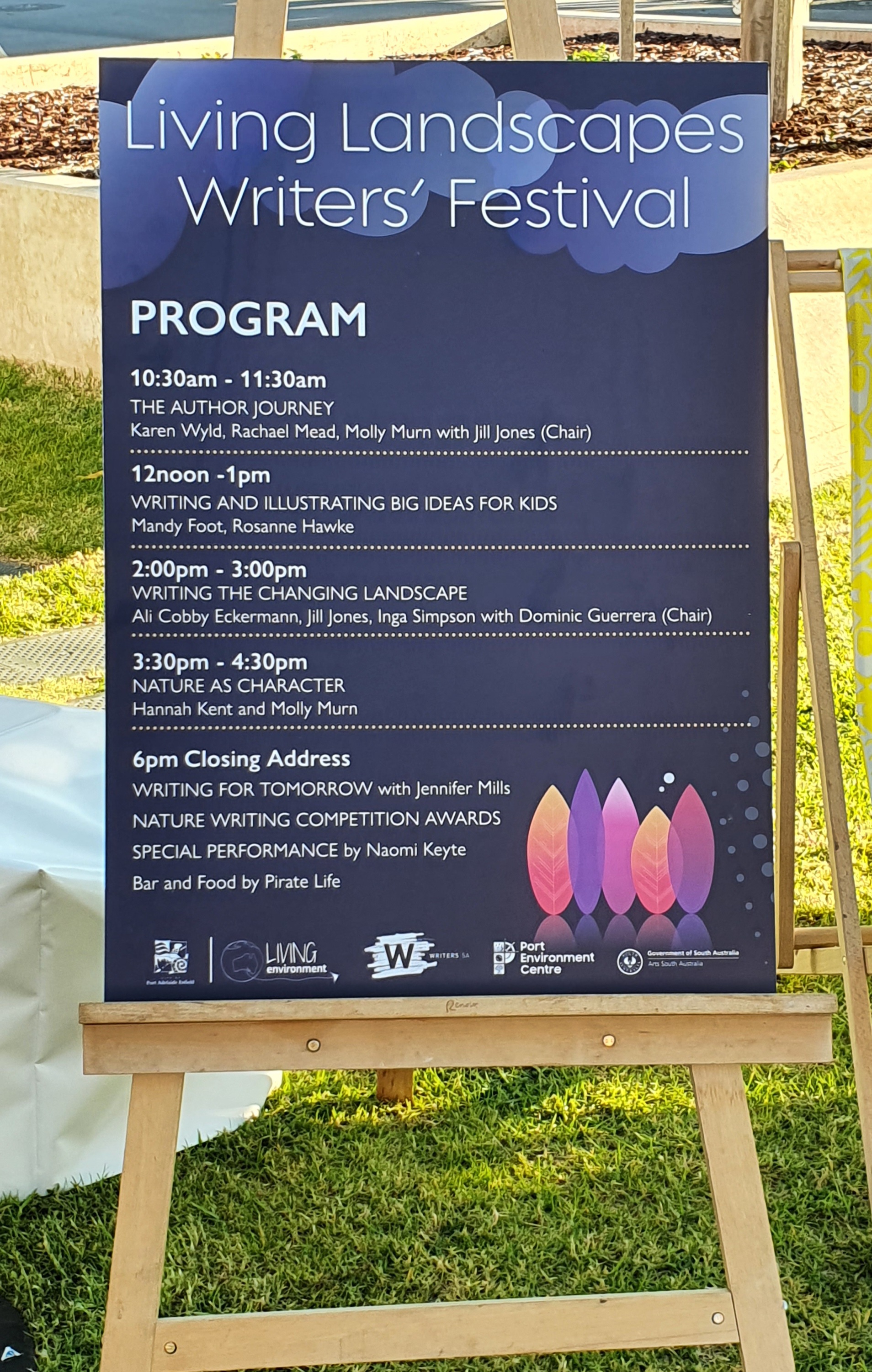
Hosted in conjunction with Writers SA, the program comprised talks and readings examining our relationship with the environment and the role it plays in art, followed by a series of workshops to learn the craft of nature writing. The venue was perfect, set beside the beautiful Port River, home to a variety of life, including dolphins.
I attended the afternoon sessions, the first a panel discussion on ‘Writing the Changing Landscape’ with Ali Cobby Eckermann, Inga Simpson and Jill Jones, facilitated by Writers SA Director, Jessica Alice. It was fascinating to learn about their connection with country, the living world around them and how they capture and express this in their work, often giving voice to the damage we’re doing. Ali spoke about healthy moments and how childhood homes become unrecognisable. Inga grew up on a farm and sought solitude to develop her work. Jill shared examples of mindful suburban walking without distraction. There was talk of the creature’s we’re responsible for, how nature is giving us the solutions and a request for us to be curious again. But the most profound words for me were these when discussing those in power:
Just because you have the money, doesn’t mean you hold the riches.
Ali Cobby Eckermann

The next session was a conversation between Molly Munro and Hannah Kent exploring ‘Nature as Character’. Molly echoed attendance to country and explained how Kangaroo Island, the setting for her latest work, is the last spiritual stopping place for indigenous cultures in South Australia. Hannah referred to the ‘livingness of things’ and shared her intimate connection with the landscape of Iceland where her first novel was set. Both stressed the importance of place in their work, how it must be more than a backdrop to a story to engage not just their readers, but themselves too. They also shared writers who have influenced their writing and that’s one of many things I love about these events, the reading recommendations you leave with, where you discover new writers and work, thought and theory.
I had booked Rachael Mead’s workshop – ‘Writing the Landscape anew through Poetry’ – today, but a deadline snuck up on me so unfortunately I had to cancel. Yesterday was a memorable afternoon, which left me deeply thoughtful, reminding me again how glad I am that I grew up when I did, with a childhood outside exploring nature, back when seasons were sure of themselves.
I’ve attended two workshops recently organised through Writers SA – Mark Tredinnick’s The Little Red Writing Workshop and Rachael Mead’s Writing the Landscape.
Mark is an award-winning poet and widely published, however this session focused on craft and technique that can be applied to any style of writing. Participants ranged from academics to creative writers, who were given a crash course in Mark’s fifteen rules and received a copy of his book in which they’re explored in more detail.

Mark shared his extensive knowledge and experience, along with some memorable quotes, such as E B White defining writing as the process of the “self escaping onto the page”, which can apply to both the writer and reader. We looked at structure and rhythm, language and voice, being urged to copy a well-made sentence and examine how it’s constructed. Mark’s message was “writing better means getting out of your own way”, write from rather than of the self and master punctuation to help your audience breathe your story.

Rachael is also a widely acclaimed poet whose work I admire and her session explored eco-poetics – an activist way of writing nature poetry in that it has both agency and impact, providing an ecological rather than humanistic perspective, the essence of her latest collection.

Rachael introduced us to four approaches, explaining that eco-poetry is a challenge to dominant discourse, chipping away at anthropocentrism. We read work by Sharon Olds, Mary Oliver and Judith Wright, poems grounded in place with biological, cultural and physical forces at play. Personal and sensory aspects are fundamental to eco-poetics, macro combined with micro to produce a multi-layered piece that seeks an emotive rather than intellectual response. Rachael’s workshop spanned a morning, but there’s enough material to easily fill a day.
And so I’ve acquired new skills to flex and drafts to develop, and a new awareness of self – the impact it has on writing and the world in which both exist.
 J V Birch